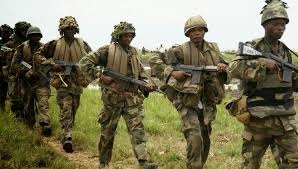
A Nigerian military airstrike has killed scores of civilians in Yobe State, in the latest deadly “misfire” to hit communities caught between jihadist violence and military operations in the country’s northeast. The strike happened on Saturday night in Jilli village, Geidam Local Government Area, where residents said aircraft bombed a busy market as troops pursued Boko Haram militants in the area. Casualty figures remain sharply disputed, underlining both the chaos of the aftermath and the difficulty of independently verifying deaths in remote conflict zones.
Amnesty International said more than 100 people were killed and at least 35 seriously wounded, citing accounts from survivors, relatives, hospital workers and local officials. Reuters, quoting a local councillor and residents, reported that as many as 200 civilians were feared dead. A local chief cited by AFP spoke of “200 dead and wounded.” Nigerian police and military authorities had not publicly released a full casualty breakdown by the time the reports emerged, though the military said it had targeted what it described as a terrorist enclave.
The incident has renewed scrutiny of Nigeria’s use of air power in its long war against Islamist insurgents. The country has been battling Boko Haram and its splinter factions, including Islamic State West Africa Province, since 2009, in a conflict that has killed tens of thousands of people and displaced millions. While the insurgency remains concentrated in the northeast, armed Islamist groups and heavily armed criminal gangs have also expanded into northwestern and north-central parts of the country, worsening an already complex national security crisis.
Rights groups say the Yobe strike fits a broader pattern. Amnesty called for an independent investigation, arguing that the attack reflects persistent failures in intelligence, targeting and post-strike accountability. AP reported that more than 500 civilians have been killed in mistaken Nigerian military airstrikes since 2017, with previous incidents in Kaduna, Nasarawa and elsewhere prompting similar outrage but limited visible accountability.
The military has often defended such operations as necessary in terrain where jihadists move quickly on motorcycles and blend into civilian areas. But that explanation is unlikely to calm anger over the latest strike, especially if the higher casualty estimates are confirmed. For many in northeastern Nigeria, the tragedy reinforces a brutal reality: civilians remain vulnerable not only to Boko Haram attacks, but also to the state’s own efforts to defeat them.