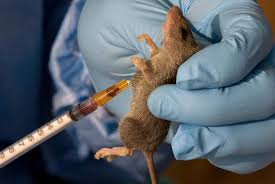
ADDIS ABABA, Ethiopia— The Africa Centres for Disease Control and Prevention has raised fresh concerns about a series of bilateral health agreements the Trump administration is pursuing across Africa, warning that some countries could be pressured to share sensitive pathogen and health data with the United States without clear guarantees that they would benefit equally from any vaccines, diagnostics or treatments developed from that data.
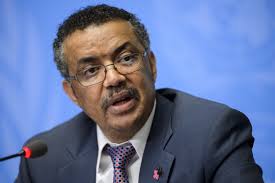
Speaking at a virtual briefing on Thursday, Africa CDC Director-General Jean Kaseya said there were “huge concerns” around data governance and pathogen sharing in the agreements. He said the core issue was not cooperation itself, but whether African countries would retain control over their data and receive fair access to resulting medical products. The warning comes after growing resistance from African governments. Zimbabwe this week pulled out of talks on a proposed $367 million U.S. health agreement, saying the draft required the sharing of sensitive health data under terms it considered unequal. A government spokesman described the offer as an “unequal exchange,” while leaked internal correspondence reportedly called the terms lopsided and harmful to national sovereignty.
Zambia has also delayed signing its own proposed U.S. health deal, worth more than $1 billion over five years, saying it requested revisions to clauses that did not align with national interests. Reuters reported that one disputed provision linked the health funding to a separate bilateral compact tied to mining cooperation, including Zambia’s copper and cobalt sector, while advocates also flagged broad data-sharing requirements.
The agreements are part of the Trump administration’s “America First” global health strategy, rolled out after the dismantling of most of USAID. According to reporting cited by Reuters and other outlets, at least 17 African countries have signed similar deals so far, securing a combined $11.3 billion in pledged support. But critics say the packages often include major policy concessions, some of them far beyond public health.
Those wider concerns vary by country. In Nigeria, U.S. pressure has increasingly been tied to Washington’s claims about the protection of Christians, a framing Abuja rejects. In Zambia, critics say strategic mineral access has been folded into what is officially presented as a health partnership. Kenya’s High Court has already frozen implementation of that country’s U.S. health pact while it hears a challenge over data privacy and sovereignty.
For Africa CDC, the central message is becoming clearer: African governments may welcome direct funding, but they do not want it at the cost of control over their own biological data, bargaining power and future access to lifesaving products.