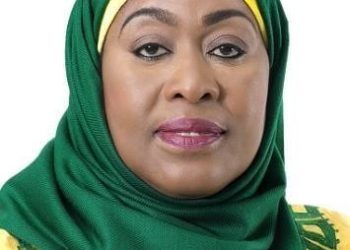
Port Harcourt, Nigeria — The impeachment move against Rivers State Governor Siminalayi Fubara and his deputy, Prof. Ngozi Nma Odu, suffered another setback on Wednesday as two additional members of the State House of Assembly withdrew from the plot and called for a negotiated political settlement.
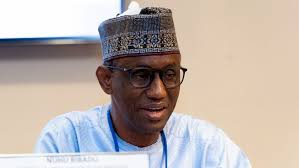
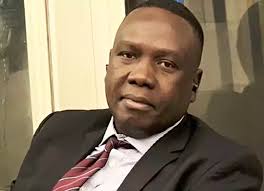
The lawmakers — Hon. Barile Nwakoh (Khana Constituency I) and Hon. Emilia Amadi (Obio/Akpor Constituency II) — said their shift was driven by appeals from leaders and stakeholders urging restraint, warning that impeachment could deepen the state’s political tensions and widen divisions at a time when stability is needed for governance.
At a press briefing in Port Harcourt, Nwakoh said he and Amadi were speaking in their personal capacities, noting that while they initially aligned with the notice of allegations against the governor and his deputy, they now believe dialogue offers a more credible off-ramp from the crisis. The lawmakers described their new stance as a conscious choice for reconciliation rather than escalation.
Their reversal brings to four the number of lawmakers who have publicly stepped back from the impeachment track in recent days, following earlier calls for peace by Sylvanus Nwankwo (Omuma Constituency) and Peter Abbey (Degema Constituency).
The development comes barely a week after 26 legislators signed an impeachment notice accusing the governor and his deputy of gross misconduct, a move that further inflamed the long-running rift between factions aligned to the executive and the legislature in the oil-rich state. Local media reports indicate the Assembly is expected to reconvene on January 15, 2026, as the process continues to draw intense public scrutiny.
Meanwhile, former Rivers State governor Dr. Peter Odili has publicly rallied behind Fubara, telling the governor that “your people are with you” and urging him to remain steadfast amid the political storm — a statement seen by analysts as potentially significant in shaping elite consensus as the crisis evolves.
With more defections from the impeachment camp being hinted at in political circles, attention is now on whether party leaders, traditional institutions and federal-level mediators can broker a truce that prevents a further slide into institutional paralysis.