Nigeria’s government has strongly rejected allegations of systematic persecution of Christians, after the US leader warned he would consider deploying American troops to the country if Abuja failed to protect religious minorities.
Earlier this month, the US president said he was prepared to “send troops into the country” if Nigeria did not do more to safeguard its Christian population, comments that have stirred diplomatic unease in Abuja.
Speaking on Tuesday at a US-organised event on religious freedom at the United Nations, the president reiterated concerns about rising violence against Christians worldwide.
“Religious freedom means we all can sing our faith regardless of who we are, where we live and what we believe. But today, faith is under attack in way too many places,” he said.
The event, hosted by US Ambassador to the UN Mike Waltz, focused on protecting religious communities and drew particular attention to Nigeria.
“In Nigeria, Christians are being targeted, driven from their homes, and killed. Churches have been burned. Families have been torn apart. And entire communities live in fear constantly, simply because of how they pray,” the president added.
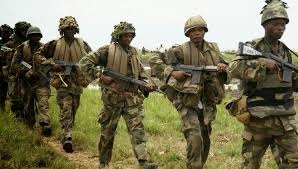
Nigeria’s federal government has pushed back firmly, describing the US narrative as “a gross misrepresentation of reality.” Officials in Abuja insist that while the country faces serious security challenges, violence is driven more by terrorism, banditry, and resource conflicts than by a one-sided campaign against Christians.
Security analysts and conflict-monitoring organisations support a more nuanced picture. They note that jihadist groups and other armed actors in Nigeria’s north-east and north-west target both Muslims and Christians, often indiscriminately.
Data from organisations tracking political violence suggest that a majority of civilians killed by Islamist extremist groups in Nigeria have been Muslims, particularly in communities accused of collaborating with the government or resisting militant control.
Experts warn that framing the crisis solely as Christian persecution risks oversimplifying a complex conflict landscape marked by:
- Insurgency by jihadist groups such as Boko Haram and ISWAP
- Widespread banditry and kidnapping-for-ransom
- Farmer–herder clashes driven by land, climate, and economic pressures
While rights advocates agree that churches and Christian communities have suffered devastating attacks, they also stress the need for balanced international engagement that recognises the suffering of all communities and avoids inflaming religious tensions.
For now, Abuja is urging dialogue rather than threats of intervention, even as pressure mounts on Nigeria’s security forces to better protect civilians of every faith.